In the pursuit of health and vitality, cultures around the world have developed unique and sometimes unconventional fitness traditions that reflect their history, environment, and values. These practices, often passed down through generations, offer fascinating insights into how different societies approach physical well-being. While modern gyms and high-intensity workouts dominate the fitness landscape today, these age-old methods continue to thrive, reminding us that human creativity in maintaining health knows no bounds.
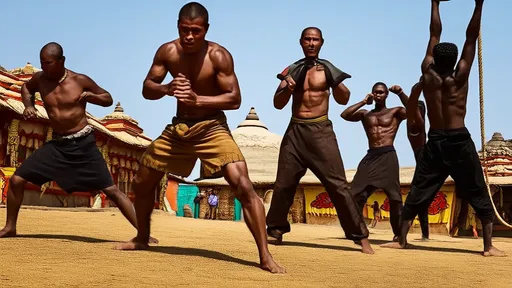
One of the most visually striking traditions comes from India, where practitioners of mallakhamb have turned wrestling training into an art form. Originating in the 12th century, this practice involves performing yoga poses and gymnastic movements while suspended from a vertical wooden pole or rope. The word itself translates to "pole gymnastics," but this description hardly does justice to the incredible strength, flexibility, and concentration required. What began as training for wrestlers has evolved into a celebrated sport and cultural practice, with competitions held across the country. Practitioners develop phenomenal core strength and body control as they twist and hold poses that seem to defy gravity, all while maintaining graceful composure.
Traveling east to China, we find elderly citizens in parks practicing tai chi with slow, deliberate movements that conceal its martial arts origins. This centuries-old practice represents the philosophical concept of yin and yang through its balanced, flowing sequences. While it may appear gentle compared to Western exercise routines, regular practitioners develop remarkable balance, flexibility, and mental focus. The health benefits are well-documented, with studies showing improvements in cardiovascular health, fall prevention in older adults, and stress reduction. The sight of large groups moving in synchronized harmony at dawn has become an iconic representation of Chinese cultural heritage and its holistic approach to health.
In Scotland, the Highland Games preserve Celtic traditions through feats of strength that would challenge even the most dedicated modern athlete. Events like the caber toss, where competitors flip a tree trunk end over end, and the stone put, similar to shot put but using natural stones, hearken back to medieval times when such skills had practical applications. These games represent more than just competition; they're a celebration of Scottish culture and history, complete with kilts, bagpipes, and traditional dancing. The training methods themselves are unconventional by contemporary standards, focusing on lifting irregular natural objects rather than manufactured weights, developing functional strength that served warriors and farmers alike.
The Maori people of New Zealand developed haka as a war dance that has evolved into a powerful expression of cultural identity and, unexpectedly, an intense full-body workout. Made famous by the All Blacks rugby team, the traditional haka involves vigorous movements, rhythmic stomping, and forceful chanting that engages virtually every muscle group. The practice requires exceptional lung capacity, core stability, and mental intensity. Beyond its physical benefits, the haka serves as a psychological preparation tool, building group cohesion and focus through synchronized movement and vocalization. This integration of physical exertion with cultural storytelling creates a uniquely holistic approach to fitness.
Russia offers the peculiar practice of ice swimming, where participants cut holes in frozen lakes and rivers to immerse themselves in near-freezing water. Often followed by time in traditional banyas (saunas), this practice dates back centuries and is believed to boost immunity, improve circulation, and build mental resilience. The shock of cold water triggers numerous physiological responses, including the release of endorphins and activation of brown fat, which burns calories to generate heat. Regular practitioners, known as "morzhi," report increased energy levels and resistance to illness, though medical professionals recommend proper preparation and gradual acclimatization. This extreme tradition demonstrates how some cultures embrace environmental challenges as opportunities for strengthening both body and will.
In Brazil, capoeira emerged as a disguised martial art among enslaved Africans, who practiced it under the guise of dance and music to avoid punishment from Portuguese colonists. This ingenious solution created one of the most dynamic and acrobatic fitness traditions in the world. Capoeira combines kicks, spins, and evasive movements with rhythmic music and singing, creating a cardiovascular workout that also develops flexibility, coordination, and musicality. The constant motion in the "roda" (circle) requires incredible endurance, while the improvisational nature challenges both physical and mental agility. Today, it stands as a powerful symbol of resistance and cultural preservation while providing a complete body workout.
South Korea maintains the ancient practice of ssireum, a form of traditional wrestling that differs from its Japanese sumo cousin in several key aspects. Practitioners wear satba (cloth belts) around their waists and thighs, using them for grip as they attempt to throw their opponent to the ground. Unlike sumo's focus on size and explosive power, ssireum emphasizes technique, balance, and strategy. The training develops functional strength throughout the entire body, particularly the legs and core, while the matches themselves provide intense anaerobic exercise. Historically associated with agricultural festivals, ssireum remains popular today with professional leagues and amateur competitions, preserving this traditional test of strength and skill.
The Greek island of Ikaria, known as one of the world's Blue Zones where people live exceptionally long lives, offers a different perspective on fitness through integrated daily movement rather than structured exercise. Ikarians traditionally engage in farming, gardening, and walking across the island's mountainous terrain well into advanced age. This constant low-intensity movement, combined with social interaction and traditional diet, contributes to their remarkable longevity and health. Unlike high-intensity workouts that stress the body, this approach emphasizes consistent moderate activity throughout the day, demonstrating how physical movement woven into daily life can be more sustainable and potentially more beneficial than occasional intense gym sessions.
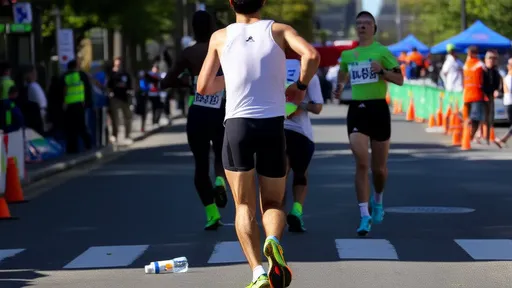
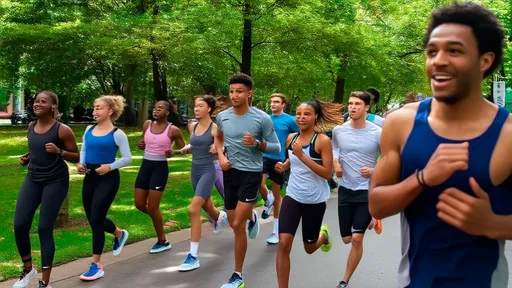
Ethiopia's long-distance runners have dominated international competitions for decades, and their training methods reflect unique cultural approaches to endurance. Many elite runners train at high altitudes in the Ethiopian highlands, following rough terrain trails while often practicing barefoot or in minimal footwear. This develops natural running form and strengthens foot muscles rarely engaged in cushioned shoes. Their training incorporates traditional Ethiopian games and dances that improve coordination and rhythm, while the community-based approach to running—often in groups—provides motivation and support. The success of these athletes demonstrates how traditional methods can produce world-class results without high-tech equipment or facilities.
In Scandinavian countries, the concept of friluftsliv (open-air living) encourages outdoor activity in all weather conditions as essential to physical and mental health. This isn't a specific exercise regimen but a cultural attitude that integrates movement with nature appreciation. From cross-country skiing in winter to forest hiking in summer, Scandinavians maintain year-round outdoor activity that provides varied, full-body exercise while connecting them to their environment. The practice has psychological benefits as well, reducing stress and promoting mindfulness through immersion in natural settings. This holistic approach to fitness, where exercise is inseparable from lifestyle and environment, contributes to the region's high rankings in health and happiness indexes.
These diverse traditions remind us that fitness transcends treadmills and weight machines. From the acrobatic pole dancing of India to the icy immersions of Russia, from the cultural preservation of Brazilian capoeira to the natural movement patterns of Greek islanders, the world offers countless innovative approaches to health and strength. What unites these practices is their connection to cultural identity, their adaptation to local environments, and their recognition that physical well-being cannot be separated from mental and spiritual health. As we seek new ways to stay active and healthy, perhaps we can find inspiration in these time-tested traditions that have kept generations strong, flexible, and vibrant throughout their lives.
By /Aug 25, 2025

By /Aug 25, 2025
By /Aug 25, 2025

By /Aug 25, 2025
By /Aug 25, 2025

By /Aug 25, 2025
By /Aug 25, 2025
By /Aug 25, 2025
By /Aug 25, 2025
By /Aug 25, 2025

By /Aug 25, 2025
By /Aug 25, 2025

By /Aug 25, 2025

By /Aug 25, 2025
By /Aug 25, 2025

By /Aug 25, 2025

By /Aug 25, 2025
By /Aug 25, 2025
By /Aug 25, 2025
By /Aug 25, 2025
