How to Politely Decline Unhealthy Dining Invitations

Aug 25, 2025 By

In the intricate dance of social engagements, few scenarios are as universally challenging as the art of gracefully declining an invitation to an unhealthy meal. It’s a delicate intersection of personal well-being, social etiquette, and the subtle nuances of human connection. The invitation itself is often extended with warmth and genuine intent—a colleague suggesting a fast-food lunch to discuss a project, a friend planning a celebratory dinner at a decadent steakhouse, or a family member hosting a holiday feast centered on rich, traditional dishes. To refuse can feel, in the moment, like a rejection of the person and the camaraderie they are offering. Yet, the commitment to one’s health, whether driven by dietary goals, medical advice, or simple personal preference, is a valid and powerful priority. The key lies not in the refusal itself, but in the manner of its delivery. It is entirely possible to say "no" while still saying "yes" to the relationship, to uphold your boundaries while affirming your appreciation for the invitation.

The foundation of any successful declination is preparation. We often operate on autopilot in social situations, giving quick, reflexive answers. When an unhealthy meal invitation is posed, this autopilot typically offers two extreme responses: an enthusiastic but regrettable "yes" or a blunt, awkward "no." To avoid these, one must have a pre-considered strategy. This isn't about scripting a robotic reply, but rather about understanding your own reasons and having a few polite, versatile phrases at the ready. This mental preparation transforms the moment from a panicked negotiation into a calm, confident conversation. You are no longer caught off guard; you are simply implementing your plan. This shift in mindset is palpable. The inviter senses your certainty and is less likely to press or take the refusal personally. Confidence, here, is not arrogance; it is the quiet assurance of someone who knows their own mind and values.

Once prepared, the execution of the refusal is everything. Timing and tone are your most valuable tools. A swift response is often better than a hesitant one, as prolonged hesitation can be misinterpreted as disinterest or indecision. However, swift does not mean curt. The tone must be warm and appreciative. Begin by immediately acknowledging the gesture. A simple, "Thank you so much for thinking of me!" or "That sounds like it would be a wonderful time," does crucial work. It validates the inviter's kindness and separates the rejection of the meal from the rejection of their company. This initial affirmation is the social lubricant that allows the subsequent refusal to glide through without friction. It assures the other person that your decision is about the context of the meal, not their presence within it.

Following the acknowledgment, offer a brief, honest, but non-confrontational reason for your decline. The culture of "I'm on a diet" can often invite unwanted commentary, debate, or even sabotage. Instead, frame your reason in positive, health-affirming language. Rather than focusing on deprivation—what you can't have—focus on how you feel. Phrases like, "I'm really focusing on how certain foods make me feel energized these days" or "I've made a commitment to myself to eat lighter in the evenings" are difficult to argue with. They are personal, positive, and project a sense of well-being that most people will not want to challenge. If pressed, you can gently hold your boundary with a smile and a reiteration: "I appreciate your concern, but I'm really sticking to this for myself." The emphasis on "for myself" reinforces that this is a personal choice, not a judgment on theirs.

Perhaps the most elegant step in this process, and the one that truly preserves the social bond, is the counter-offer. A refusal can create a vacuum; the counter-offer fills it with a new, positive possibility. It actively demonstrates that your desire to connect remains strong, even if the original plan doesn't suit you. This is where you pivot from what you won't be doing to what you would love to do. Suggest an alternative that aligns with your health goals. "I'd have to skip the deep-dish pizza, but I would love to join you for a coffee and a walk later!" or "That restaurant isn't quite for me, but I've been dying to try the new salad bar downtown—would you be up for that instead?" or even "I'm going to pass on the heavy dinner, but I would absolutely love to see you for a game night next weekend." This tactic is powerful because it re-frames the entire interaction. It's no longer about you saying "no." It's about you collaboratively saying "yes" to a different way to spend time together. You are not ending the conversation; you are moving it forward.

Inevitably, you will encounter situations where the inviter is persistent or even becomes offended. This is often less about your refusal and more about their own insecurities or feelings about food. They may feel your healthy choice is an implicit criticism of their own habits. In these moments, empathy is your guide. Avoid becoming defensive. Acknowledge their feelings without capitulating. You might say, "I understand this might seem sudden or different, and I really value our time together. That's why I'd love to find another way to catch up that works for both of us." This approach validates their emotion while holding your boundary firm. Remember, you are not responsible for managing another adult's emotional response to a polite refusal. Your responsibility is to be kind and clear. A true friend or respectful colleague will ultimately understand and respect your choices.

Mastering the graceful refusal is, in many ways, an exercise in assertive communication and self-respect. It is a skill that pays dividends far beyond the dining table. Each time you successfully navigate this scenario, you reinforce your commitment to your well-being and demonstrate that healthy choices need not come at the cost of social harmony. You teach people how to engage with you, and most will adapt gladly. The invitations will begin to reflect your preferences, and your relationships will become based on mutual understanding rather than shared indulgence. The goal is not to avoid unhealthy meals at all costs, but to engage in them only when you consciously choose to, not because you felt you had no other option. In the end, it’s about curating a social life that supports, rather than sabotages, the life you want to live.

Recommend Posts
Fitness

The Logistics Behind a Marathon and the Challenge of Human Endurance

By /Aug 25, 2025

As dawn breaks over the starting line, the air crackles with a unique blend of anticipation and dread. Thousands of runners stretch and pace, their breath forming clouds in the chilly morning air, while behind the scenes, an intricate logistical ballet unfolds with military precision. The modern marathon is far more than a simple footrace—it is a breathtaking collision of human endurance and operational complexity, where every water station, timing mat, and traffic diversion represents a tiny miracle of planning against the relentless tide of physiological limits.
Fitness

Cultural Interpretation of Fitness Memes

By /Aug 25, 2025

In the sprawling digital ecosystem where fitness and internet culture collide, a unique language has emerged through the vehicle of memes. These aren't just frivolous jokes shared among friends; they are a complex form of social commentary, a shared dialect that binds the global fitness community. To the uninitiated, a meme might appear as a simple image with bold text, but for those who spend their days under the barbell and their nights scrolling through Instagram, they are profound reflections of a collective psyche, encapsulating the pain, the glory, the absurdity, and the unwavering dedication of the iron game.
Fitness

The Fusion of Vintage Fitness Equipment with Modern Technology

By /Aug 25, 2025

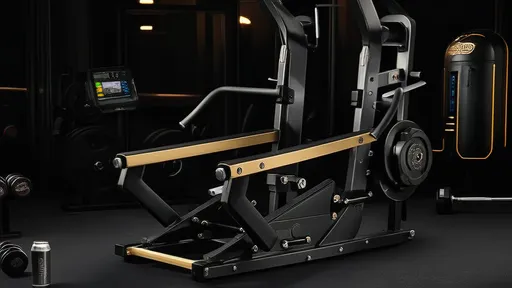
In an age where sleek touchscreens and minimalist design dominate the fitness landscape, a curious counter-movement is gathering steam. Across boutique gyms and home workout spaces, the unmistakable iron and steel of vintage exercise equipment is making a triumphant return. But this isn't merely nostalgia; it’s a sophisticated fusion of old-school mechanical integrity with cutting-edge digital intelligence. The marriage of retro exercise equipment with modern technology is creating a new breed of fitness tools that offer the tactile, visceral feedback of the past with the data-driven precision of the future.
Fitness

The Story and Significance Behind the Logos of Sports Brands

By /Aug 25, 2025

In the sprawling landscape of global commerce, few symbols are as instantly recognizable or as emotionally charged as the logos of major athletic brands. These emblems are far more than mere corporate identifiers; they are visual shorthand for entire philosophies, histories, and aspirations. They adorn the gear of world-class athletes and weekend warriors alike, serving as silent promises of performance, innovation, and identity. The stories behind these icons, often born from humble beginnings and simple ideas, reveal a fascinating intersection of design, personal ambition, and cultural zeitgeist.
Fitness

Fitness Scenes in Movies: Authenticity and Artistic Embellishment

By /Aug 25, 2025

In the dim glow of a theater or the comfort of our living rooms, we have all witnessed those iconic cinematic moments where a character undergoes a physical transformation that seems to defy human limitations. From the chiseled physiques of superheroes to the sweat-drenched determination of underdog athletes, fitness sequences in film occupy a unique space between inspiration and illusion. These scenes are not merely about physical exertion; they are narrative devices, emotional catalysts, and cultural touchstones that shape our perceptions of health, strength, and human potential. Yet, behind the soaring music and dramatic lighting lies a complex interplay of reality and artifice, a dance between authentic physical achievement and the magic of cinematic craft.
Fitness

Biomimicry in Animal Locomotion: From Cheetah Runs to Crab Walks

By /Aug 25, 2025

In the vast tapestry of nature, the study of animal locomotion has long captivated scientists and engineers alike, offering a wellspring of inspiration for innovation across numerous fields. From the blistering sprints of the cheetah to the intricate sideways scuttle of the crab, the diversity of movement in the animal kingdom presents a masterclass in efficiency, adaptation, and biomechanical genius. This exploration into the realm of biomimetics, specifically focusing on locomotion, reveals how nature's designs are being decoded and repurposed to solve complex human challenges in robotics, transportation, and material science.
Fitness

The Evolution of Classic Exercises: From Ancient Greece to Modern Gyms

By /Aug 25, 2025

The story of physical exercise is as old as civilization itself, yet its evolution from ancient rituals to modern fitness regimes reveals a fascinating journey of human adaptation, philosophy, and science. From the sun-drenched arenas of ancient Greece to the neon-lit gyms of today, the pursuit of physical excellence has continuously transformed, reflecting broader cultural, social, and technological shifts. This narrative isn't just about how we move; it's about why we move, and how our understanding of strength, health, and the human body has been perpetually redefined across millennia.
Fitness

A Compilation of Unique Traditional Fitness Practices from Around the World

By /Aug 25, 2025

In the pursuit of health and vitality, cultures around the world have developed unique and sometimes unconventional fitness traditions that reflect their history, environment, and values. These practices, often passed down through generations, offer fascinating insights into how different societies approach physical well-being. While modern gyms and high-intensity workouts dominate the fitness landscape today, these age-old methods continue to thrive, reminding us that human creativity in maintaining health knows no bounds.
Fitness

Characteristics of Energy System Supply in Different Sports

By /Aug 25, 2025

When we watch elite athletes perform, whether it's a sprinter exploding out of the blocks or a marathon runner maintaining a grueling pace for over two hours, we are witnessing a masterclass in human energy conversion. The sheer diversity of athletic performance is underpinned by a complex and elegant physiological reality: different sports demand different types of energy, and the human body has evolved distinct metabolic pathways to meet these demands. Understanding these energy systems is not just an academic exercise; it is fundamental to designing effective training programs, optimizing nutrition, and pushing the boundaries of human performance.
Fitness

Why Do Some People's Faces Turn Red After Exercise?

By /Aug 25, 2025

Have you ever noticed how some people's faces turn into a vibrant shade of crimson after a workout, while others seem to maintain their normal complexion? This common yet intriguing phenomenon isn't just about fitness levels or exertion—it's a fascinating interplay of physiology, genetics, and individual bodily responses. The sight of a flushed face post-exercise often sparks curiosity, and understanding the science behind it reveals much about how our bodies adapt to physical stress.
Fitness

How to Politely Decline Unhealthy Dining Invitations

By /Aug 25, 2025

In the intricate dance of social engagements, few scenarios are as universally challenging as the art of gracefully declining an invitation to an unhealthy meal. It’s a delicate intersection of personal well-being, social etiquette, and the subtle nuances of human connection. The invitation itself is often extended with warmth and genuine intent—a colleague suggesting a fast-food lunch to discuss a project, a friend planning a celebratory dinner at a decadent steakhouse, or a family member hosting a holiday feast centered on rich, traditional dishes. To refuse can feel, in the moment, like a rejection of the person and the camaraderie they are offering. Yet, the commitment to one’s health, whether driven by dietary goals, medical advice, or simple personal preference, is a valid and powerful priority. The key lies not in the refusal itself, but in the manner of its delivery. It is entirely possible to say "no" while still saying "yes" to the relationship, to uphold your boundaries while affirming your appreciation for the invitation.
Fitness

The Positive Impact and Misconceptions of Sports Community Culture

By /Aug 25, 2025

In the sprawling landscape of modern digital life, few phenomena have reshaped social interaction and personal habits as profoundly as the rise of online fitness communities. These digital hubs, ranging from global platforms like Strava and Fitbit to niche groups on Facebook and Reddit, have transformed solitary workouts into shared journeys, creating micro-societies bound by common goals. They are modern-day campfires around which millions gather to share stories of progress, struggle, and triumph.
Fitness

Coping with the Deload" Week in Training Cycles

By /Aug 25, 2025

In the relentless pursuit of progress within any training regimen, athletes and fitness enthusiasts often encounter a formidable adversary: the plateau. This frustrating stagnation, where gains in strength, hypertrophy, or performance seem to grind to a halt, can be a significant source of demotivation. The instinctive response is often to push harder, to add more volume, increase the intensity, or train more frequently. However, this aggressive approach can be a critical misstep, often leading directly to the diminishing returns of overreaching and, eventually, the debilitating state of overtraining. A more sophisticated and counterintuitive strategy exists, one that embraces strategic retreat to facilitate a greater leap forward. This principle is encapsulated in the concept of the deload week, a planned period of reduced training stress that is fundamental to sustainable long-term progress.
Fitness

Anchoring Exercise Habits in Daily Routines

By /Aug 25, 2025

In the bustling rhythm of modern life, maintaining a consistent exercise routine often feels like an elusive goal. Despite the best intentions, many find themselves trapped in a cycle of starting and stopping, unable to weave physical activity seamlessly into their daily existence. The secret to breaking this cycle may lie not in sheer willpower, but in a psychological strategy known as habit anchoring. By tethering new exercise behaviors to established daily routines, individuals can create a sustainable framework for fitness that feels less like a chore and more like a natural part of their day.
Fitness

Visualizing Perfect Movements: Mental Rehearsal for Peak Performance

By /Aug 25, 2025

In the world of high-performance athletics and skill acquisition, a fascinating technique has emerged that transcends physical practice alone. Athletes, musicians, and professionals across disciplines are increasingly turning to a powerful mental tool known as visualization or mental rehearsal. This practice involves vividly imagining oneself performing a task or movement perfectly, engaging the mind's eye to simulate success before it physically occurs. The concept isn't entirely new—it has roots in both Eastern meditation practices and Western psychological research—but its application in modern training regimens has reached unprecedented sophistication.
Fitness

Psychological Applications of Fitness App Achievement Systems

By /Aug 25, 2025

In the digital age where smartphones have become extensions of our physical selves, fitness applications have emerged as powerful tools in the pursuit of health and wellness. Beyond mere trackers of physical activity, these applications have evolved into sophisticated platforms that leverage deep psychological principles to motivate and sustain user engagement. At the heart of this evolution lies the achievement system—a carefully crafted feature that taps into fundamental human drives and behavioral patterns. These systems are far from arbitrary collections of badges or trophies; they represent a nuanced application of motivational psychology designed to transform occasional exercise into lasting lifestyle changes.
Fitness

Music BPM Runner's Step Frequency Matching App"

By /Aug 25, 2025

In the ever-evolving landscape of fitness technology, a new wave of applications has emerged, focusing on the symbiotic relationship between music and movement. Among these, apps that synchronize music BPM (beats per minute) with running cadence have garnered significant attention from both casual joggers and serious athletes. These tools are not merely about providing a soundtrack for a run; they represent a sophisticated fusion of biomechanics and auditory stimulation, designed to enhance performance, endurance, and overall enjoyment.
Fitness

Alternative Metrics for Assessing Progress on Non-Weighing Days

By /Aug 25, 2025

In the pursuit of health and fitness, the scale has long been the default barometer of progress. Its cold, hard numbers offer a seemingly objective snapshot of where you stand. Yet, this singular focus can be misleading and, for many, profoundly discouraging. Weight fluctuates daily due to a myriad of factors—water retention, glycogen stores, hormonal cycles, and digestive contents—that have little to do with actual fat loss or muscle gain. This daily dance with the digits can obscure the true, meaningful transformations happening within and throughout your body. To build a sustainable and positive relationship with your fitness journey, it is crucial to look beyond the scale and embrace a more holistic set of metrics that truly reflect your advancement.
Fitness

Effective Mechanisms for Mutual Supervision Among Training Partners

By /Aug 25, 2025

In the evolving landscape of personal and professional development, the concept of training partnerships has emerged as a powerful tool for growth. At its core, this approach leverages mutual supervision between partners to foster accountability, motivation, and sustained progress. Unlike solitary endeavors, where it's easy to succumb to procrastination or self-doubt, a well-structured partnership creates a dynamic where both individuals are invested not only in their own success but also in that of their counterpart. This symbiotic relationship transforms the often lonely journey of improvement into a shared experience, rich with support and constructive feedback.
Fitness

Five-Minute Start Rule for Exercise Procrastination"

By /Aug 25, 2025

In the quiet moments before we begin a task we've been avoiding, there exists a peculiar psychological barrier that seems almost physical in its resistance. This invisible wall between intention and action has derailed countless workout plans, left gym memberships gathering dust, and turned athletic aspirations into forgotten daydreams. For generations, the solution seemed to require monumental willpower, until researchers stumbled upon a surprisingly simple countermeasure that bypasses resistance entirely: the five-minute rule.