There is an art to reheating leftovers that goes far beyond simply making them hot again. In kitchens around the world, a nightly ritual plays out: containers are pulled from refrigerators, their chilled contents destined for a second act. Yet, this seemingly simple act is a culinary crossroads where safety, nutrition, and flavor converge. Doing it correctly can preserve the meal’s integrity, turning last night’s dinner into a delicious and wholesome new experience. Doing it poorly, however, can lead to a disappointing, and sometimes dangerous, meal that wastes both food and its inherent nutritional value.
The primary concern for many is safety, and rightfully so. The "danger zone" for bacterial growth is between 40°F (4°C) and 140°F (60°C). Leftovers languishing in this temperature range provide a perfect breeding ground for pathogens like Salmonella and E. coli. The goal, therefore, is to move food through this zone as rapidly as possible during the reheating process. This means that the old method of tossing a large, frozen block of stew into a pot on low heat is one of the riskiest approaches. The exterior may become scalding hot while the interior remains in the danger zone for an extended period, allowing bacteria to multiply. The golden rule is to reheat food until it is piping hot all the way through, reaching an internal temperature of at least 165°F (74°C) as measured by a food thermometer. This core temperature is critical for eliminating most common foodborne bacteria.
Equally important to the final temperature is the journey to get there. Uniformity is key. A common mistake is to reheat a dense portion of food without breaking it up or stirring it. Microwaves, the most common reheating appliance, heat by exciting water molecules, which can lead to infamous hot and cold spots. To combat this, food should be arranged in a circular pattern on a microwave-safe plate, leaving a small empty space in the center. Covering the plate with a damp paper towel or a microwave-safe lid traps steam, which helps heat the food more evenly and prevents it from drying out into a sad, rubbery version of its former self. For stews, soups, and sauces, stirring at least once halfway through the heating time is non-negotiable. This simple action redistributes the heat, ensuring every spoonful is safely and evenly warmed.
Beyond the imperative of safety lies the nuanced challenge of preserving nutrition. The vitamins and minerals in our food are not indestructible; many are sensitive to heat, light, and oxygen. The process of cooking initially causes some nutrient loss, and reheating applies a second round of stress. The most vulnerable compounds are water-soluble vitamins, such as vitamin C and the B vitamins (thiamine, folate, B6). These nutrients can leach out into cooking water or steam. Therefore, reheating methods that minimize the use of additional water and reduce cooking time are superior for nutritional retention. Steaming, for instance, is far better than boiling, as the food is not submerged. Using a microwave, often maligned in foodie circles, is actually one of the best methods nutritionally. Because it heats food so quickly and with minimal added liquid, it helps preserve these delicate vitamins better than longer, slower methods on the stovetop.
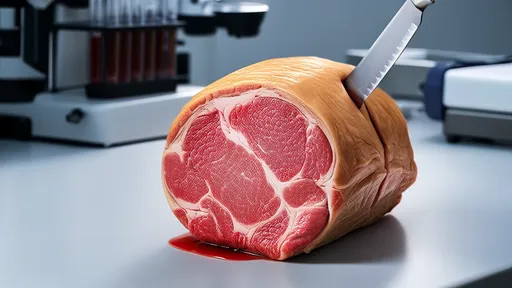
The type of food itself dictates the optimal reheating strategy. Not all leftovers are created equal. Moist foods like soups, stews, curries, and pasta sauces are the most forgiving. They reheat beautifully on the stovetop over medium heat, with an occasional stir to prevent sticking. Adding a small splash of water, broth, or milk can loosen them up and compensate for any moisture lost during refrigeration. Dry foods, like roasted meats, are a different story. The intense dry heat of an oven that made them so delicious the first time is often the best choice for the second. To prevent the meat from drying out further, a few techniques are essential. Slicing the meat before reheating reduces the time needed to warm the center. Placing it in a baking dish with a small amount of broth or gravy and covering it tightly with foil creates a miniature steam oven, gently reheating the meat while rehydrating it. A brief stint under the broiler at the end can re-crisp the skin or exterior without overcooking the interior.
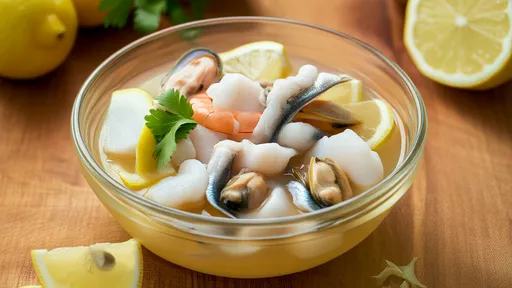
Rice deserves a special warning due to its association with Bacillus cereus, a bacterium that can survive cooking and produce toxins as the rice cools. The safest practice is to cool cooked rice rapidly (within an hour) and refrigerate it immediately. When reheating, it must be steaming hot all the way through, and it should never be reheated more than once. Seafood is another delicate category. Its proteins are very tender and can become tough and rubbery with aggressive, high heat. The gentlest possible heat is required. Often, adding cold seafood to a hot sauce at the very last minute, just to warm it through, is sufficient. For fried foods, the oven or an air fryer is the only hope of restoring any semblance of crispness. The microwave will almost always yield a soggy, disappointing result.
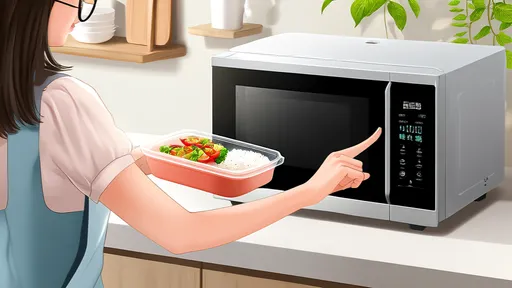
Finally, the elephant in the kitchen: the microwave. It is a tool of incredible convenience but also great potential for ruin. Understanding its quirks is essential. As mentioned, arranging food in a circle and covering it are the first steps. Using a lower power setting (50-70%) for a longer time is a professional trick many home cooks overlook. The high power setting forces the exterior to heat too quickly, often leading to splattering and tough textures before the center is warm. A medium power setting allows for a more gentle and even transfer of heat. For foods like pizza, a combination method works wonders. A quick zap in the microwave warms the toppings and cheese, but then a minute in a hot skillet crisps the soggy crust back to life. It’s about using technology intelligently to achieve the desired result.
Reheating leftovers is not a chore to be rushed; it is the final step in a responsible and economical cooking process. It demands a mindful approach that respects the ingredients, the effort that went into the initial preparation, and the health of those who will eat it. By prioritizing rapid and uniform heating to ensure safety, choosing methods that protect fragile nutrients, and tailoring the technique to the specific food, we can transform the humble leftover. It ceases to be a mere repetition and becomes an opportunity to enjoy a meal that is safe, nutritious, and perhaps even better than it was the first time. It is a small but significant act of culinary respect.
By /Aug 20, 2025

By /Aug 20, 2025
By /Aug 20, 2025

By /Aug 20, 2025
By /Aug 20, 2025
By /Aug 20, 2025
By /Aug 20, 2025
By /Aug 20, 2025
By /Aug 20, 2025
By /Aug 20, 2025
By /Aug 20, 2025

By /Aug 20, 2025

By /Aug 20, 2025
By /Aug 20, 2025
By /Aug 20, 2025
By /Aug 20, 2025
By /Aug 20, 2025
By /Aug 20, 2025

By /Aug 20, 2025

By /Aug 20, 2025
