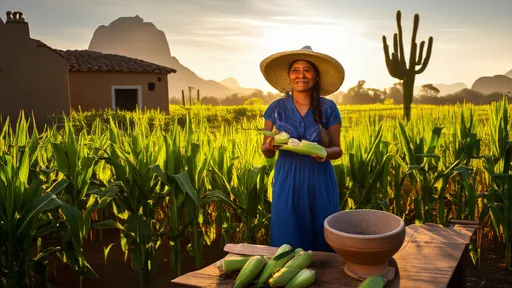
In the heart of Mexico, maize is more than a crop; it is the soul of the nation, woven into the fabric of its history, culture, and daily sustenance. From the ancient milpas where it has been cultivated for millennia to the bustling street stalls serving up steaming tacos, the journey of maize represents a profound narrative of resilience, tradition, and the pressing need for sustainable practices in a rapidly changing world. This story is not just about agriculture or cuisine; it is about identity, community, and the delicate balance between honoring the past and securing the future.
The origins of maize are deeply rooted in Mesoamerican civilization, where it was first domesticated from its wild ancestor, teosinte, over 9,000 years ago. Indigenous communities developed sophisticated agricultural systems, such as the milpa, a polyculture method that interplants maize with beans, squash, and other complementary species. This approach not only maximized yield and soil health but also embodied a holistic understanding of ecology long before modern sustainability became a global concern. The milpa system fostered biodiversity, reduced pest outbreaks, and conserved water, creating a resilient foundation for food security. For generations, farmers passed down knowledge through oral traditions, preserving heirloom varieties of maize that adapted to local climates and soils, each with unique flavors, colors, and nutritional properties. This genetic diversity became a treasure trove, safeguarding against crop failures and environmental shifts.
However, the 20th century brought seismic changes to Mexican agriculture. The Green Revolution, with its emphasis on high-yield monocultures, chemical fertilizers, and industrialized farming, promised to eradicate hunger but often at a steep cost. Small-scale farmers faced pressure to abandon traditional practices in favor of hybrid maize varieties, which required expensive inputs and degraded the land over time. As a result, many heirloom strains were pushed to the brink of extinction, and the milpa system dwindled. Concurrently, trade policies like NAFTA flooded Mexican markets with cheap, subsidized corn from the United States, undermining local economies and forcing rural communities into poverty. This erosion of cultural and agricultural heritage sparked concerns about food sovereignty, as Mexico—the birthplace of maize—became increasingly dependent on imports for its staple food.
Amid these challenges, a movement for sustainability has taken root, driven by farmers, chefs, activists, and consumers who recognize the intrinsic value of traditional maize culture. At the forefront are efforts to revive the milpa system, championed by organizations that promote agroecology—a approach that integrates ecological principles with social equity. By returning to polyculture farming, communities are restoring soil fertility, conserving water, and preserving biodiversity. Initiatives like seed banks and farmer cooperatives work to protect heirloom maize varieties, such as the vibrant blue, red, and white corns prized for their depth of flavor and nutritional benefits. These varieties are not only resilient to climate variability but also central to cultural rituals and culinary traditions, embodying a connection to the land that transcends mere sustenance.
The journey from field to taco encapsulates this revival. In the milpas, farmers harvest maize by hand, often using ancient techniques like nixtamalization—a process where kernels are soaked and cooked in an alkaline solution, typically limewater. This method, dating back to pre-Columbian times, unlocks essential nutrients like niacin and makes the maize more digestible, while imparting the distinct earthy flavor that defines authentic Mexican tortillas. Small-scale mills, or molinos, grind the nixtamalized maize into masa, the dough that forms the foundation of tortillas, tamales, and other staples. This chain of production supports local economies and reduces the carbon footprint associated with industrial processing and transportation.
In urban centers, the taco has become a symbol of this cultural and sustainable reawakening. Street vendors and restaurants increasingly source ingredients from organic and traditional farms, highlighting the unique qualities of heirloom maize in their offerings. A taco made from blue maize tortillas, for instance, not only delights the palate with its nutty taste but also tells a story of preservation and pride. Consumers are becoming more conscious of their choices, seeking out sustainably produced foods that support environmental health and social justice. This demand has spurred a market for artisanal products, from stone-ground tortillas to heritage maize snacks, creating economic opportunities for rural communities while educating the public about the importance of biodiversity.
Yet, the path to sustainability is fraught with obstacles. Climate change poses a dire threat to maize cultivation, with unpredictable weather patterns, droughts, and pests endangering yields. Economic disparities and political inertia often hinder small farmers' access to resources and fair markets. Moreover, the dominance of industrialized agriculture continues to promote homogenized diets, distancing people from the cultural significance of their food. Addressing these issues requires multifaceted strategies: policy reforms that prioritize agroecology, investment in rural infrastructure, and consumer education campaigns that highlight the benefits of traditional foods. International collaborations, such as those promoting fair trade and climate-resilient farming, also play a crucial role in amplifying these efforts.
Looking ahead, the future of Mexico's maize culture hinges on a collective commitment to sustainability—one that honors the wisdom of the past while embracing innovation. Technological advancements, like drought-resistant heirloom varieties developed through participatory breeding, offer promise without compromising genetic integrity. Digital platforms connect farmers directly with consumers, fostering transparency and trust in the supply chain. Ultimately, the story of maize is a testament to human ingenuity and resilience, reminding us that food is not merely a commodity but a cultural artifact and ecological imperative. By championing practices that nurture the land, support communities, and celebrate diversity, we can ensure that the journey from field to taco remains a vibrant, sustainable tradition for generations to come.
In every bite of a freshly made taco, there lies a universe of history, struggle, and hope—a testament to the enduring spirit of Mexico's maize culture and its potential to lead the way toward a more sustainable and equitable food system worldwide.
By /Aug 20, 2025
By /Aug 20, 2025
By /Aug 20, 2025

By /Aug 20, 2025

By /Aug 20, 2025
By /Aug 20, 2025
By /Aug 20, 2025
By /Aug 20, 2025

By /Aug 20, 2025

By /Aug 20, 2025

By /Aug 20, 2025
By /Aug 20, 2025

By /Aug 20, 2025

By /Aug 20, 2025

By /Aug 20, 2025

By /Aug 20, 2025
By /Aug 20, 2025

By /Aug 20, 2025
By /Aug 20, 2025

By /Aug 20, 2025
