In the quiet corners of rural homesteads and even on the sun-drenched balconies of urban apartments, an ancient culinary tradition persists—the art of sun-drying vegetables. This method, passed down through generations, transforms humble produce like green beans and radishes into shelf-stable, intensely flavored ingredients that carry the very essence of summer into the leaner months. While modern dehydrators offer a convenient alternative, the process of using the sun’s gentle, pervasive energy is a ritual that connects us to the rhythms of nature and a simpler way of preserving food.
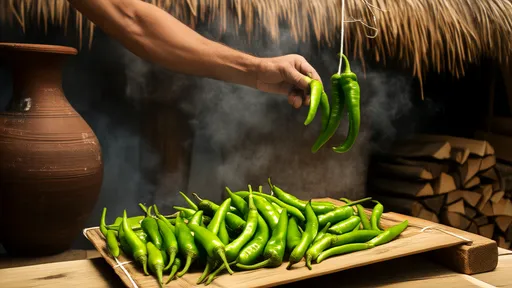
The journey of sun-dried vegetables begins not with the drying itself, but much earlier, with the crucial step of selection. The quality of the final product is irrevocably tied to the quality of the fresh ingredients. For green beans, often called string beans, one must seek out pods that are at their peak of freshness—firm, crisp, and vibrant green, snapping cleanly when bent. They should be free from blemishes, bruises, or any signs of wilting. Similarly, radishes destined for drying should be firm to the touch, with smooth, unbroken skin and a pungent, peppery aroma. The ideal specimens are those harvested on a dry, sunny day, as vegetables picked after rain can retain excess moisture, complicating the drying process and potentially leading to spoilage.
Once the perfect vegetables are gathered, meticulous preparation is paramount. This stage is about creating the ideal conditions for moisture to escape efficiently. Green beans require a thorough washing in cold water to remove any dirt or residues. After washing, they must be completely dried with clean towels; any surface water will slow down the sun-drying process. The ends are then trimmed, and the beans are typically sliced. The most common cut is a diagonal slice, which increases the surface area exposed to the sun and air, promoting faster and more even drying. Some traditions call for slicing them lengthwise into thin strips.
Radishes demand a different approach. After a vigorous scrub to remove all soil, they are often peeled, though some prefer to leave the nutrient-rich skin on if it is particularly thin and clean. The radishes are then uniformly sliced into thin rounds or small batons. Consistency in thickness is not merely an aesthetic choice; it is a functional necessity. Pieces of varying thickness will dry at different rates, resulting in a batch where some pieces are brittle and over-dried while others remain unpleasantly chewy and risk molding. A mandoline slicer can achieve this perfect, uniform thinness far more reliably than a knife.
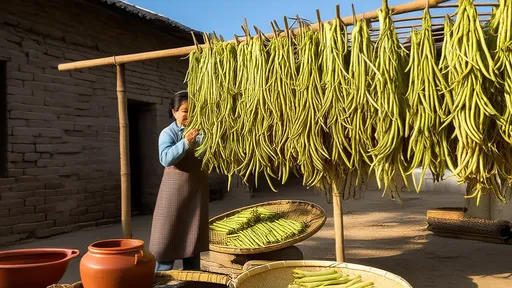
With the vegetables prepped, the stage is set for the main event: the sun-drying. This is not a process to be rushed or taken lightly; it is a dance with the weather. The first and most non-negotiable requirement is a forecast of consecutive hot, sunny, and breezy days. Humidity is the enemy of the sun-dryer. A clear, dry stretch of three to five days is typically ideal. The chosen location must be a sun trap—a spot that receives direct, unfiltered sunlight for the entire day, away from shadows cast by buildings or trees. Good air circulation is equally critical, as moving air wicks away the evaporating moisture, preventing the vegetables from stewing in their own humidity.
The equipment used is simple but important. Large, flat trays are ideal. Many use dedicated drying screens made of food-safe mesh stretched over a wooden frame, which allows for maximum airflow from both above and below. Baking sheets can be used in a pinch, but they are less effective as air can only circulate over the top. The prepared vegetable pieces are spread in a single, unwavering layer across the surface of the trays. Crowding is a fatal mistake; overlapping pieces will create damp pockets where mold can quickly take hold. The trays are then placed in the chosen sunny spot, elevated off the ground on bricks or blocks to further encourage air movement and to deter curious insects or pets.
The process now enters a phase of vigilant patience. The vegetables are left to bask in the sun throughout the day. However, they are not simply forgotten. A key ritual involves bringing the trays indoors each evening. Even on a clear night, dew can form, settling on the partially dried vegetables and rehydrating them, undoing a full day’s progress and creating a prime environment for spoilage. Each morning, once the morning dew has evaporated and the sun is strong, the trays are returned to their outdoor post. This daily migration continues until the transformation is complete.
Determining this point of completion is a skill honed by experience. Sun-dried vegetables will not have the uniform brittleness of machine-dehydrated ones. Green beans are done when they are leathery and tough, dark green in colour, and they should not be able to flex without cracking. They will have a pliable but dry texture. Radish slices will become hard and brittle, snapping cleanly in two with a distinct snap. The most reliable test is to place a few pieces in a sealed plastic bag for a few minutes. If condensation forms on the inside of the bag, the vegetables still contain too much moisture and require further drying. This step cannot be skipped, as improperly dried produce will mold in storage, ruining the entire batch.
Once perfectly dried, the vegetables must be conditioned before long-term storage. This involves a final equalization of any remaining minute moisture differences. The dried pieces are allowed to cool completely to room temperature and are then placed loosely in large, airtight glass or plastic containers. These containers are stored in a cool, dark place for about a week. During this time, the containers should be shaken daily. This process encourages any residual moisture from slightly less-dried pieces to distribute evenly to the drier pieces. If any noticeable condensation appears on the inside of the jar during this period, the entire contents must be returned to the drying trays for further sun time.
After successful conditioning, the vegetables are ready for their final rest. They are packed firmly into absolutely airtight containers—glass jars with tight-sealing lids are superior to plastic, which can be slightly permeable over time. The goal is to exclude all air and moisture. For an extra layer of protection against any stray insects or oxygen, some add food-safe oxygen absorber packets to the jars. These containers are then labeled with the contents and date and stored in a pantry, cupboard, or cellar—any place that is cool, dark, and dry. Light and heat are the twin degraders of quality, causing loss of colour, flavour, and nutritional value over time.
The reward for this week-long labour of patience and attention is a pantry stocked with intensely flavoured, versatile ingredients. To use them, most sun-dried vegetables require rehydration. A soak in warm water for one to two hours plumps them up, restoring a texture similar to, yet more concentrated than, their fresh state. These revived treasures can be thrown into stews, soups, and braises, where they imbue the cooking liquid with a profound, earthy depth. They can be chopped and added to stuffings, bread doughs, or rice dishes. Alternatively, the brittle dried pieces, especially radish chips, can be deep-fried or toasted for a unique, crispy snack or garnish.
In an age of instant gratification and technological convenience, the practice of sun-drying vegetables stands as a testament to a slower, more deliberate way of living. It is a process that cannot be hurried, one that demands respect for the ingredients, the weather, and the method itself. The resulting jars of darkened green beans and translucent radish slices are more than just food; they are captured sunlight, a tangible connection to the summer sun, and a delicious, home-preserved promise of flavour to come long after the growing season has faded.
By /Aug 20, 2025

By /Aug 20, 2025
By /Aug 20, 2025

By /Aug 20, 2025

By /Aug 20, 2025

By /Aug 20, 2025

By /Aug 20, 2025

By /Aug 20, 2025

By /Aug 20, 2025

By /Aug 20, 2025

By /Aug 20, 2025

By /Aug 20, 2025

By /Aug 20, 2025

By /Aug 20, 2025

By /Aug 20, 2025

By /Aug 20, 2025
By /Aug 20, 2025

By /Aug 20, 2025
By /Aug 20, 2025

By /Aug 20, 2025
