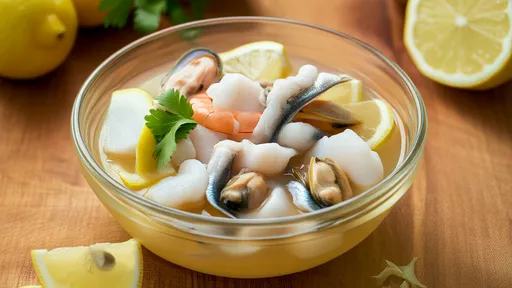
Peru's national dish, ceviche, is a vibrant culinary tradition that hinges on a delicate and precise process. At its heart lies the technique of "cooking" raw fish in citrus juice, primarily lime. This isn't cooking with heat, but a chemical process called denaturation, where the acids in the juice cause the proteins in the fish to unwind and bond with each other, firming up the flesh and turning it opaque, much like applying heat would. The mastery of this technique is not universal; it is deeply specific to the type of seafood used. A one-size-fits-all approach results in a disappointing plate, either with tough, rubbery bits or, worse, unpleasantly raw and potentially unsafe morsels. Understanding the unique marinating time for each fish is the secret that separates a good ceviche from an extraordinary one.
The foundation of any great ceviche is, unquestionably, supreme freshness. The entire concept is built around showcasing the pristine quality of the seafood. There are no heavy sauces or long cooking times to mask off-flavors or questionable texture. The fish must be the star, and it must be impeccably fresh, ideally having never been frozen, though high-quality flash-frozen fish is a safe and often necessary alternative for many. This freshness is non-negotiable. Once you have sourced your perfect seafood, the next critical step is how you prepare it. The fish should be cut into uniform cubes, typically around 3/4 of an inch. This ensures even "cooking" throughout each piece. A ragged or uneven cut will lead to an inconsistent texture in the final dish, with some parts over-cured and others underdone.
Now, we delve into the core of the matter: the marinating times. This is where the art and science of ceviche truly converge. A common misconception, often perpetuated by recipes aimed at convenience, is that ceviche must marinate for hours. In authentic Peruvian preparation, particularly in Lima's finest cevicherías, the fish spends a very short time in the leche de tigre, or "tiger's milk" – the potent citrus marinade. For many fish, the process is measured in minutes, not hours. The goal is to merely firm the outer layer while leaving the inner part of the cube gloriously tender and almost raw in its texture, creating a beautiful gradient of firmness and melt-in-your-mouth sensation. Over-marinating is the most frequent error made by novices, resulting in a chalky, tough product that has lost all its delicate flavor to the overpowering acid.
Starting with the most popular and forgiving choice, we have sea bass, known in Peru as corvina. This firm, white-fleshed fish is the quintessential ceviche fish for a reason. Its large flake and mild, slightly sweet flavor make it a perfect canvas for the bright, acidic leche de tigre. For corvina, a marinating time of 10 to 15 minutes is ideal. This brief bath is enough to turn the outer edges opaque white while preserving a tender, almost creamy interior. It holds its structure beautifully without becoming mushy, making it the perfect entry point for any aspiring ceviche chef.
Another staple is sole or flounder(lenguado). These flatfish have a more delicate, soft texture compared to corvina. Their flesh is fine-flaked and mild. Because of this delicate nature, they require even less time in the acidic bath. For sole or flounder, a mere 5 to 8 minutes is sufficient. You are looking for the very edges to become firm and white. Exceeding this time will cause the delicate flakes to break down completely, resulting in a mushy, disappointing texture that feels more like a paste than distinct pieces of fish.
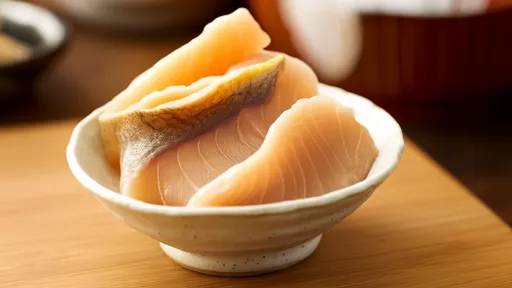
For those seeking a richer, more unctuous experience, salmon is a magnificent, though non-traditional, choice. Its high fat content gives it a buttery texture that stands up to acidity in a unique way. The goal with salmon is not to "cook" it through as you would with a white fish, but to allow the acid to slightly firm the exterior and enhance its rich flavor. A very short marination of 3 to 5 minutes is all that is needed. The center should remain largely untouched by the denaturation process, retaining its beautiful orange color and soft, fatty texture. It's a stunning and modern take on the classic.
Moving beyond common fish, cephalopods offer a fantastic textural contrast. Squid(calamari) requires a completely different approach. Unlike fish, raw squid can be notoriously chewy. The acid in the lime juice actually works to tenderize its tough muscle fibers. However, this process has a very narrow window of perfection. For squid sliced into thin rings, a marinating time of 15 to 20 minutes is necessary to achieve the desired tender-yet-firm bite, similar to when it is briefly cooked with heat. Marinate for too little, and it's rubbery; for too long (beyond 30 minutes), and it becomes unpleasantly soft and shriveled.
Its close relative, octopus, is a true project for the dedicated culinarian. It is almost never marinated raw in the classic ceviche style. Octopus must be cooked until tender first, usually by boiling or simmering, often with a cork or bay leaves added to the water (an old chef's trick believed to aid tenderness). Once the cooked and cooled octopus is sliced, it can be added to the leche de tigre. In this case, it is not being "cooked" but merely marinated for flavor. 20 to 30 minutes of marination allows the flavorful juices to penetrate the meat without reversing the tenderizing work you've already done through cooking.
Finally, we have the ultimate test of freshness and timing: scallops(conchas de vieira). Their sweet, delicate flavor and soft texture are easily overwhelmed. Bay scallops, being small, require only a 2 to 4 minute marinade. Larger sea scallops, if used whole, would need a bit longer, but the best approach is to slice them into thinner discs or even in half horizontally to create two rounds. This allows the acid to work quickly and evenly. For sliced sea scallops, 3 to 5 minutes is perfect. The moment you see the translucent flesh turn a solid, milky white, they are ready. Leaving them in longer will quickly turn them tough and rubbery, squandering their natural sweetness.
Mastering these timings is the first major step. The next is understanding that the clock starts the moment the fish makes contact with the lime juice. Your leche de tigre – a blend of lime juice, salt, finely minced onion, a hint of chili (aji limo), and perhaps a touch of fish stock or celery – should be prepared and chilled beforehand. Your fish should be cut and kept on a separate plate, also chilled. Only when you are moments away from serving do you combine the two. Gently fold the fish into the liquid to ensure every piece is coated. Set a timer. Taste a piece at the lower end of the suggested time. Is the texture to your liking? Remember, the residual acid will continue to work even after you serve it, so it's often best to err on the side of less time. Serve immediately on chilled plates. This is not a dish that waits for the guest; the guest must be ready for the dish.
The final act of serving is just as important as the preparation. A traditional Peruvian ceviche is served stark and beautiful, with the marinated fish, slices of boiled sweet potato (camote), chunks of soft corn (choclo), and perhaps a few leaves of lettuce. The sweet potato provides a crucial counterpoint to the intense acidity, grounding the dish. The corn offers a satisfying textural pop and sweetness. This is not merely garnish; it is an integral part of the culinary balance. A final drizzle of the spent leche de tigre from the bowl over the accompaniments is the true mark of an aficionado. Enjoying Peruvian ceviche is a sensory experience – a sharp, bracing, refreshing shock to the system that is utterly addictive. By respecting the individual nature of each gift from the sea and its precise timing, you unlock a world of flavor that is vibrant, sophisticated, and profoundly satisfying.
By /Aug 20, 2025

By /Aug 20, 2025

By /Aug 20, 2025

By /Aug 20, 2025

By /Aug 20, 2025

By /Aug 20, 2025
By /Aug 20, 2025

By /Aug 20, 2025

By /Aug 20, 2025
By /Aug 20, 2025
By /Aug 20, 2025

By /Aug 20, 2025

By /Aug 20, 2025
By /Aug 20, 2025
By /Aug 20, 2025
By /Aug 20, 2025
By /Aug 20, 2025

By /Aug 20, 2025

By /Aug 20, 2025

By /Aug 20, 2025
